What is the Best Soil for Carnivorous Plants
Looking for the best soil mix for carnivorous plants? Here’s exactly what I use for Venus flytraps, Nepenthes, Drosera, Utricularia, Cephalotus, and Pinguicula.

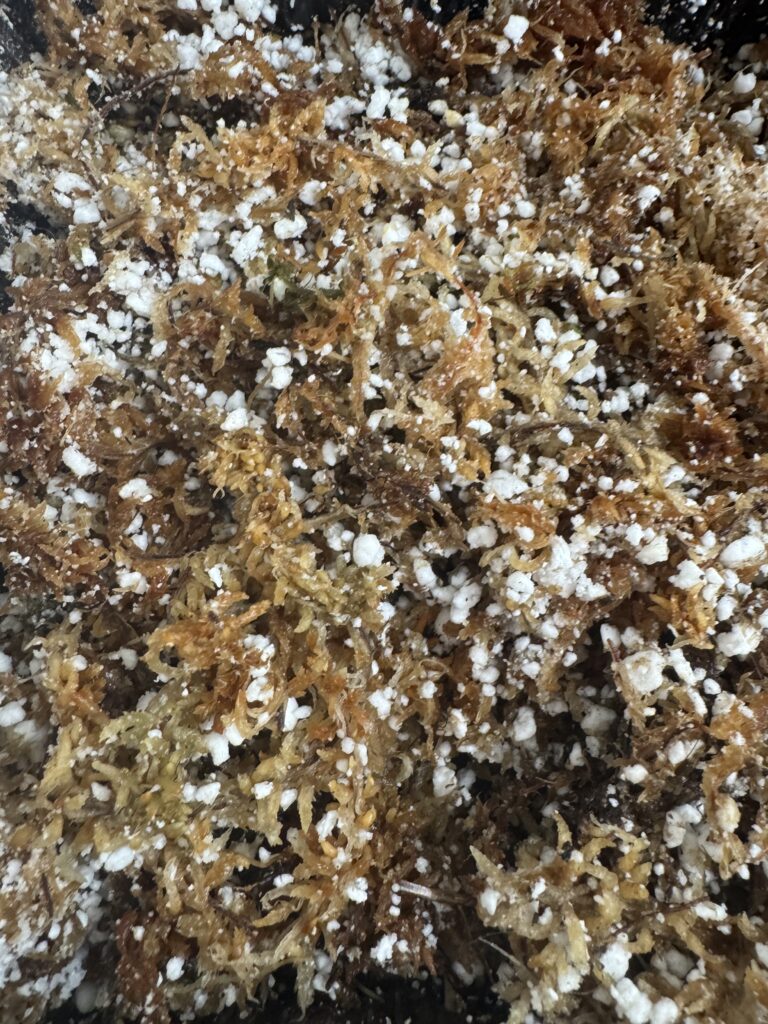
Looking for the best soil mix for carnivorous plants? Here’s exactly what I use for Venus flytraps, Nepenthes, Drosera, Utricularia, Cephalotus, and Pinguicula.
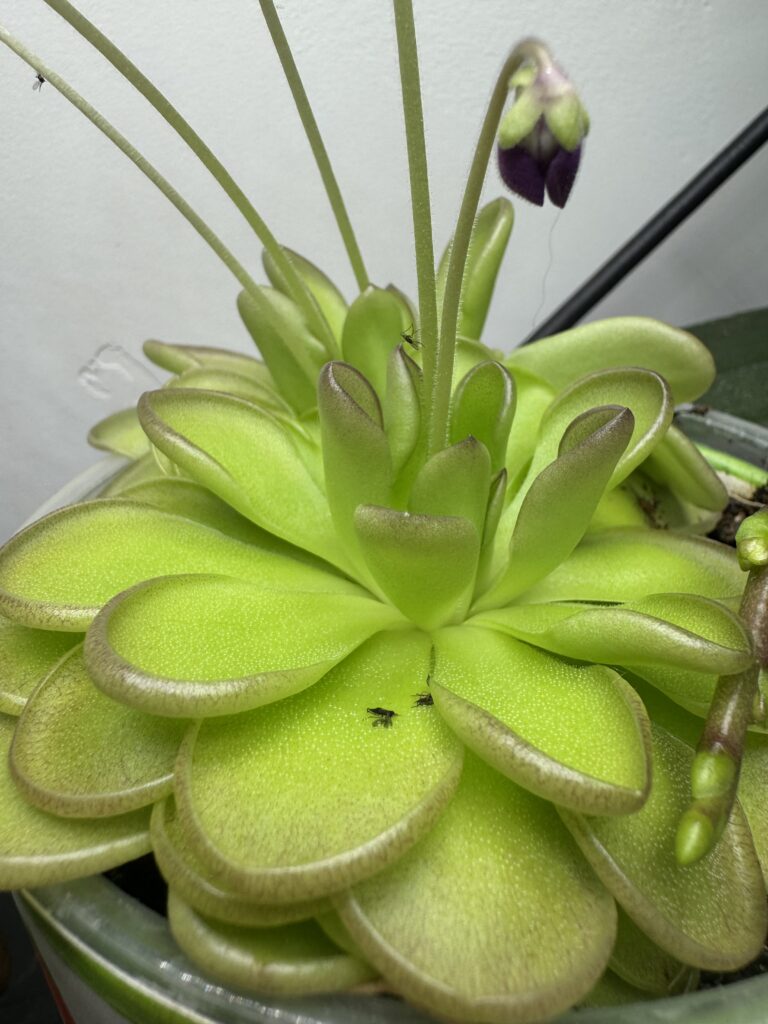
Learn how to care for Pinguicula, also known as butterwort. This guide covers lighting, distilled water, soil preferences, flowering, and how proper care transforms your plant.
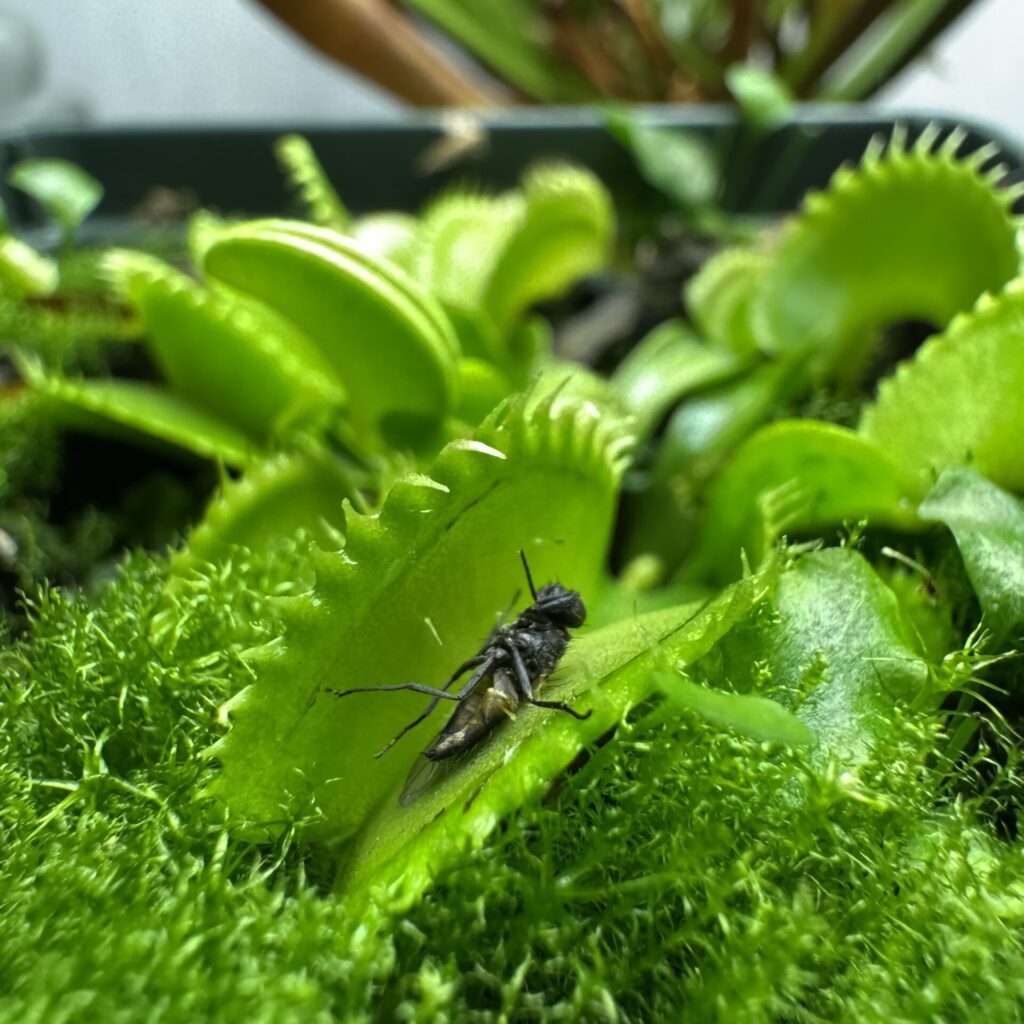
Venus fly trap care is simple when you follow their natural needs. Learn how to care for Venus fly traps with proper distilled water, my preferred sphagnum and perlite mix, full sun, dormancy requirements, and plant division tips.
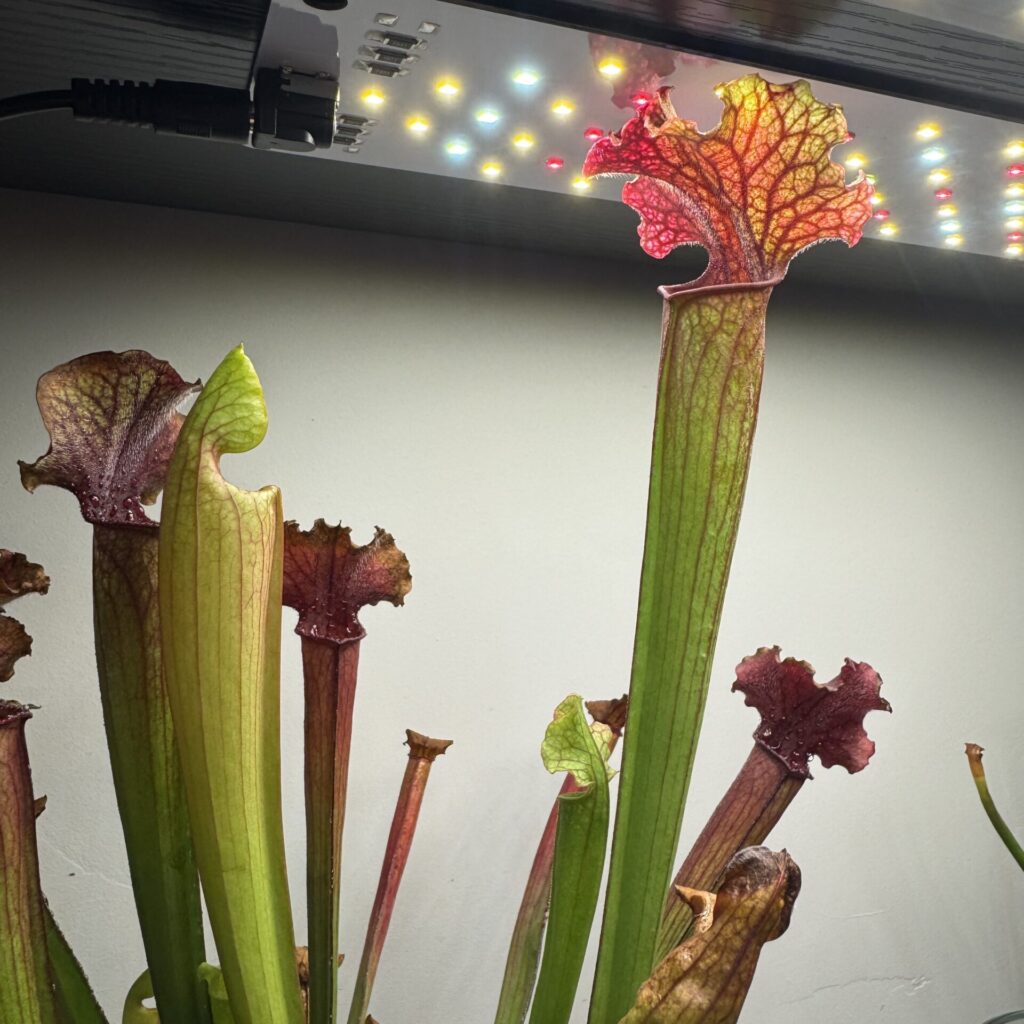
Some carnivorous plants can thrive indoors year-round, while others require a winter dormancy. This guide explains which plants need dormancy, how to care for them, and tips for keeping them healthy indoors.
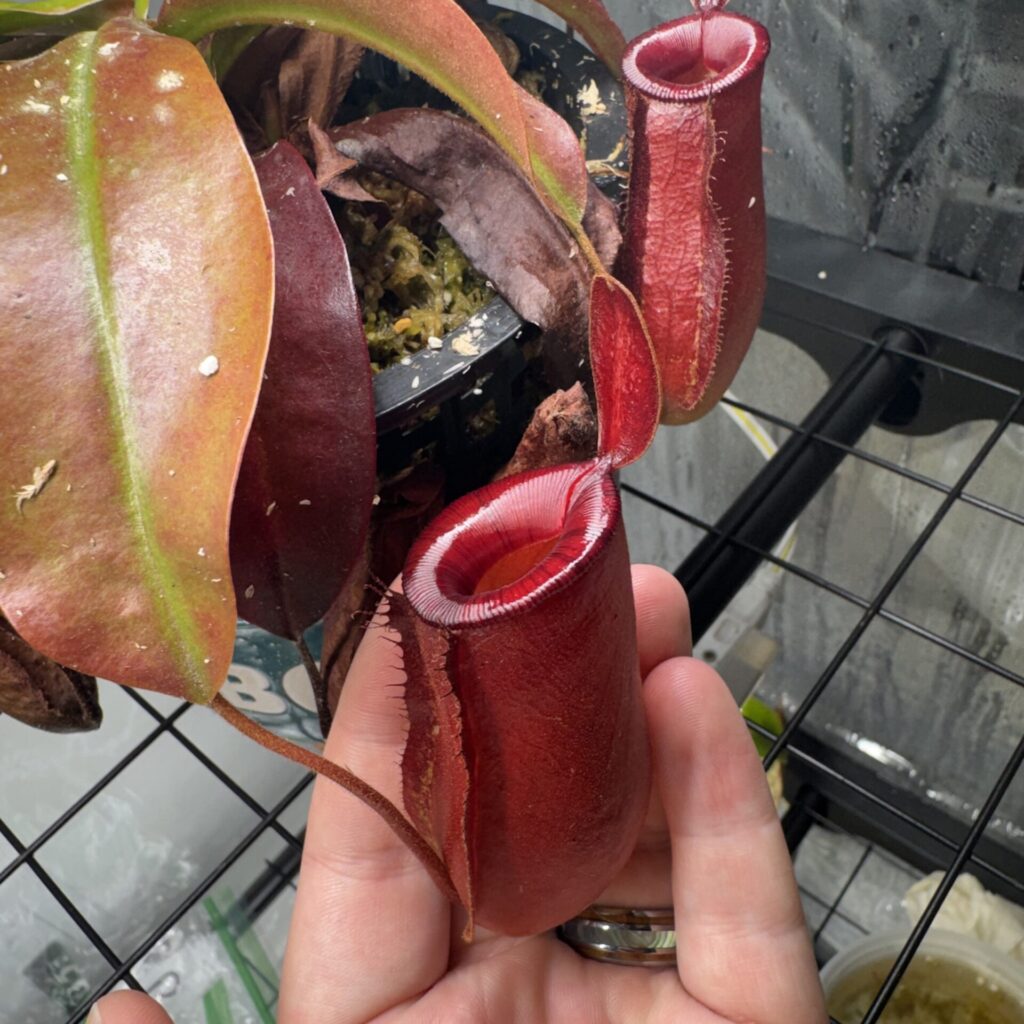
Caring for a carnivorous plant as a beginner is easier than most people expect. This guide explains exactly what to do—and what to avoid—so your plant stays healthy and grows well.

Carnivorous plants are sensitive to minerals in water and soil. This guide explains why only distilled water, reverse osmosis water, or rainwater is safe, and how their insect-eating habits provide necessary nutrients.
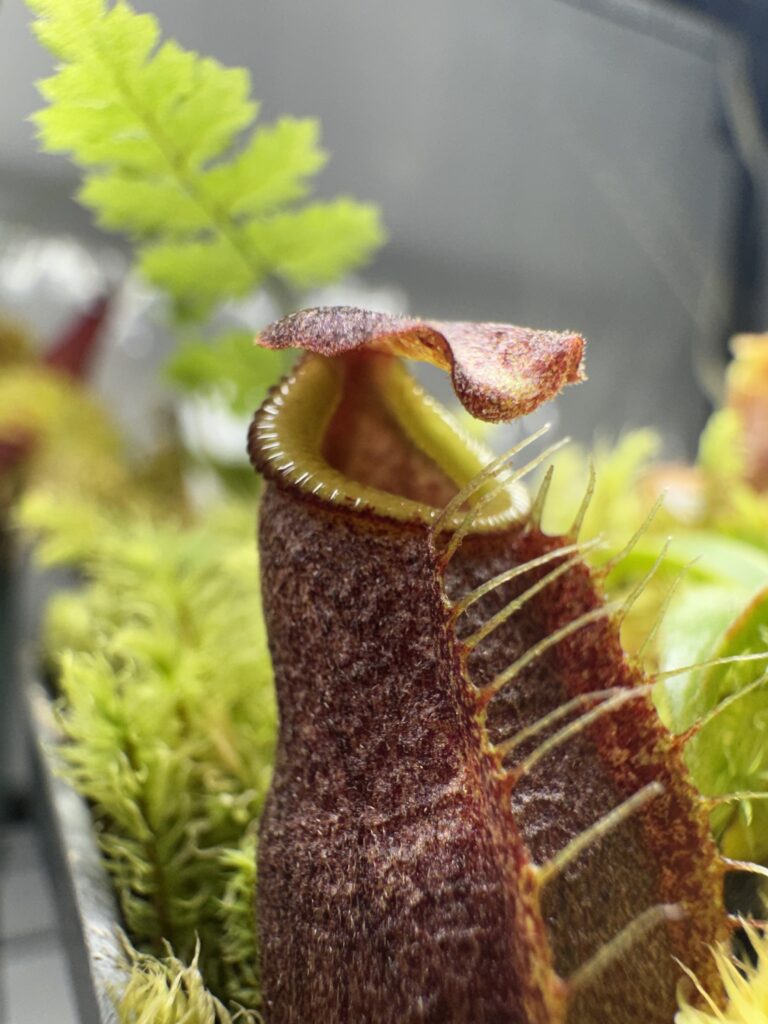
If you’re wondering how to care for Nepenthes, the good news is that most pitcher plants are fairly forgiving as long as their basic needs are met. In simple terms, Nepenthes need pure water like distilled water, a nutrient-poor and airy substrate, bright but gentle light, and conditions that match their species type. While care
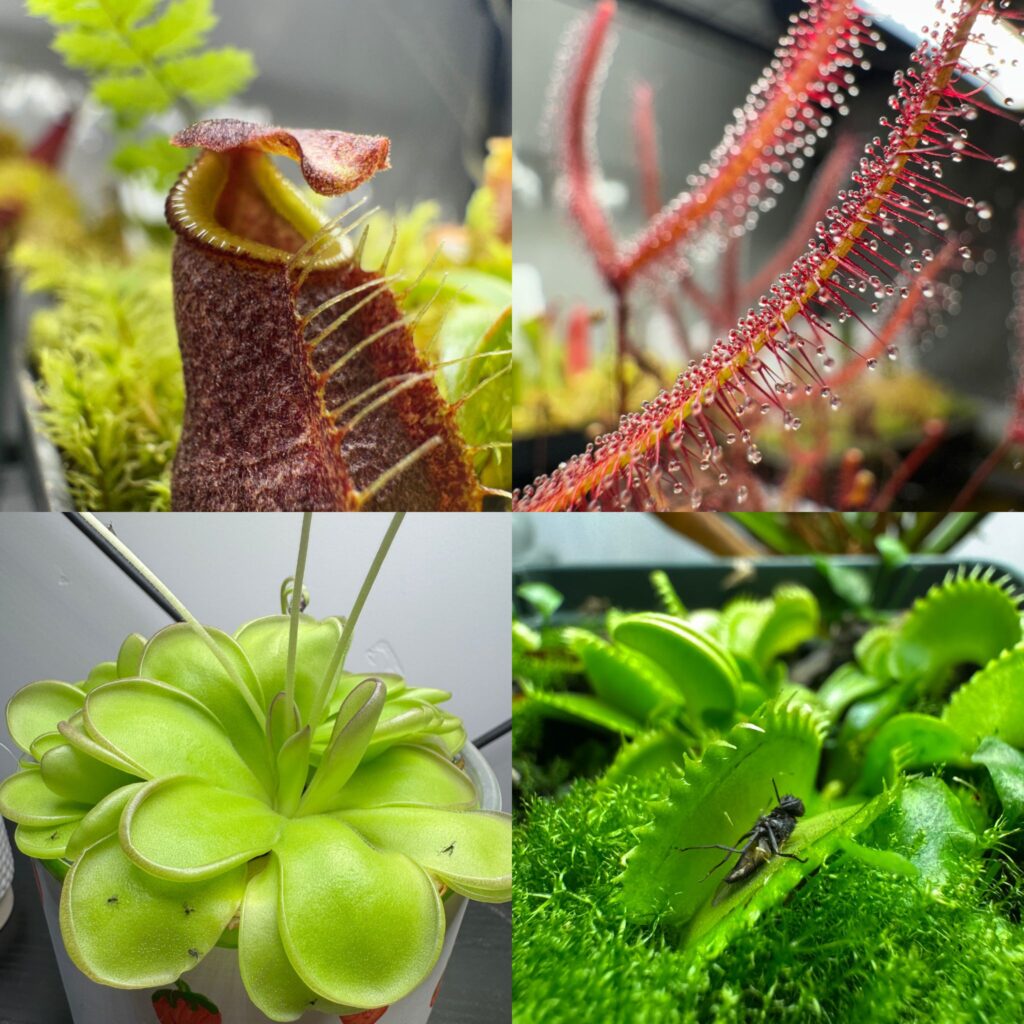
Carnivorous plants are easier to care for than most people think. This beginner-friendly guide explains why they survive well with the right light, distilled water, and nutrient-poor soil.
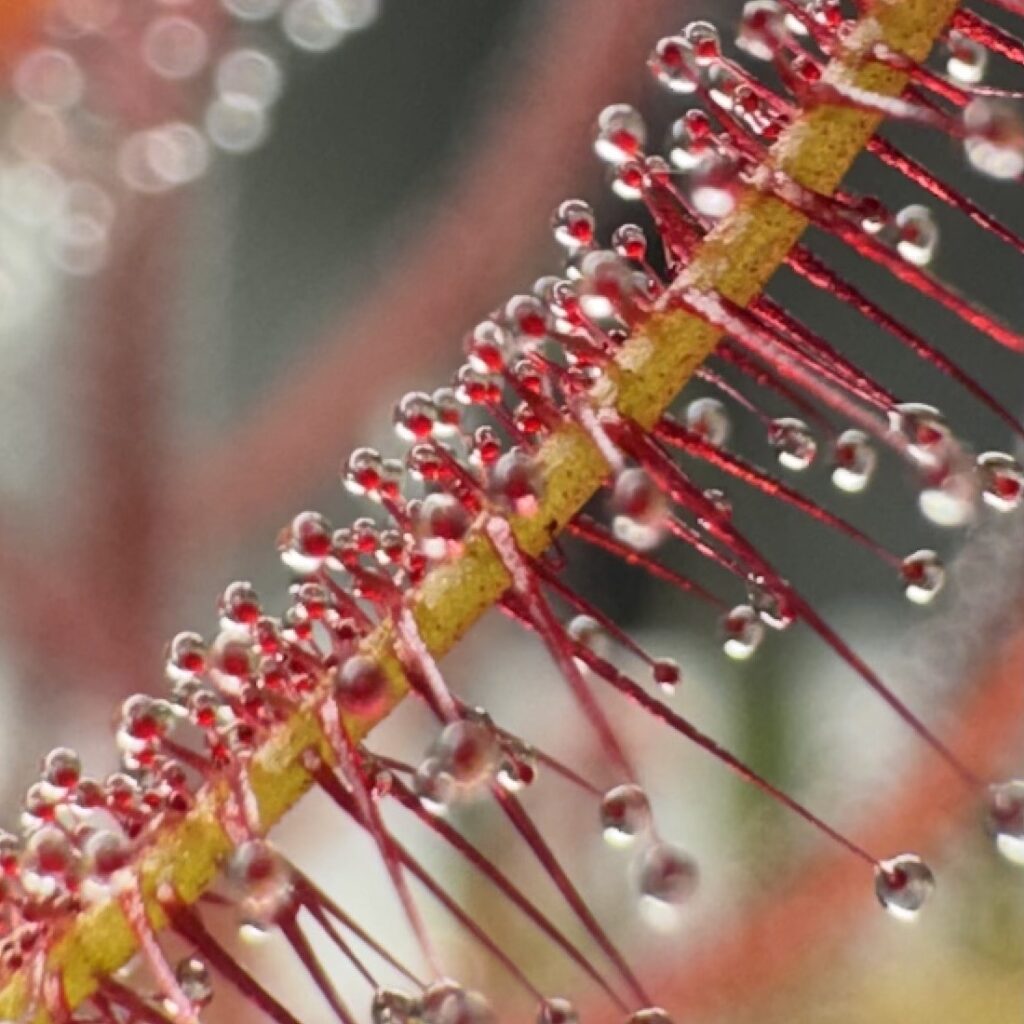
Drosera care is simple when you focus on the fundamentals: strong light, pure water, nutrient-poor soil, and consistently wet conditions. When these needs are met, sundews grow steadily, produce sticky dew, and catch insects on their own without much intervention. What Is a Drosera (Sundew)? Drosera, commonly called sundews, are carnivorous plants that trap insects