How to Care for Utricularia Also Known as Bladderwort?
How do I care for Utricularia also known as bladderwort? This guide covers distilled water, soil mixes, lighting, and general care to keep bladderwort healthy and flowering.

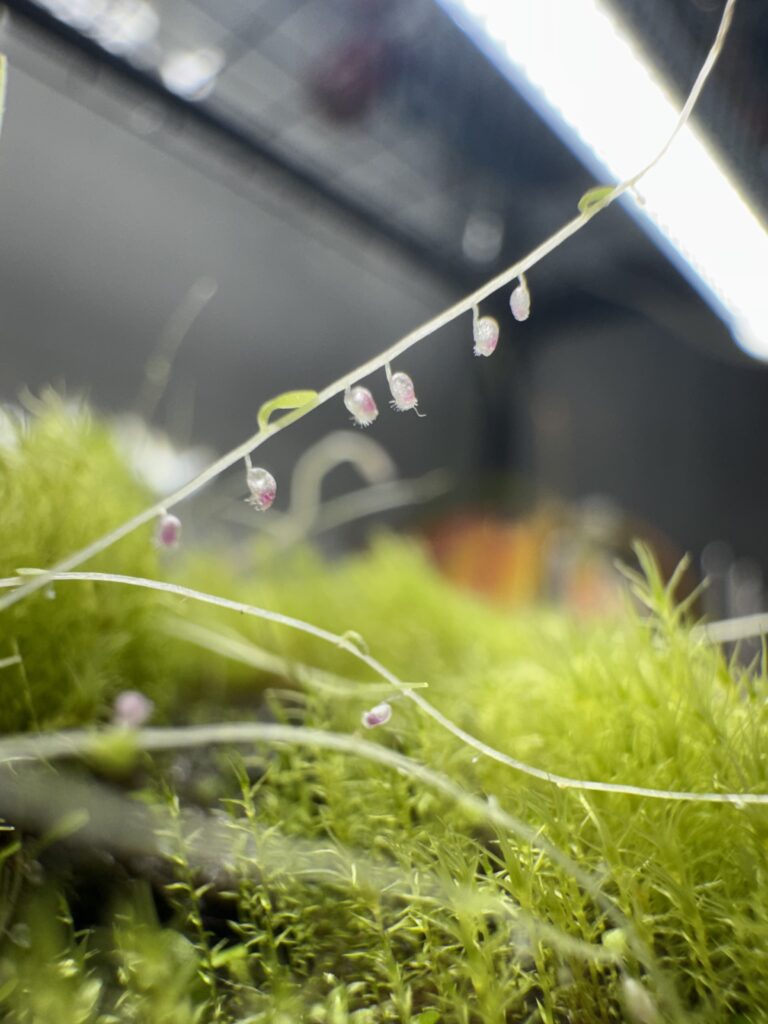
How do I care for Utricularia also known as bladderwort? This guide covers distilled water, soil mixes, lighting, and general care to keep bladderwort healthy and flowering.
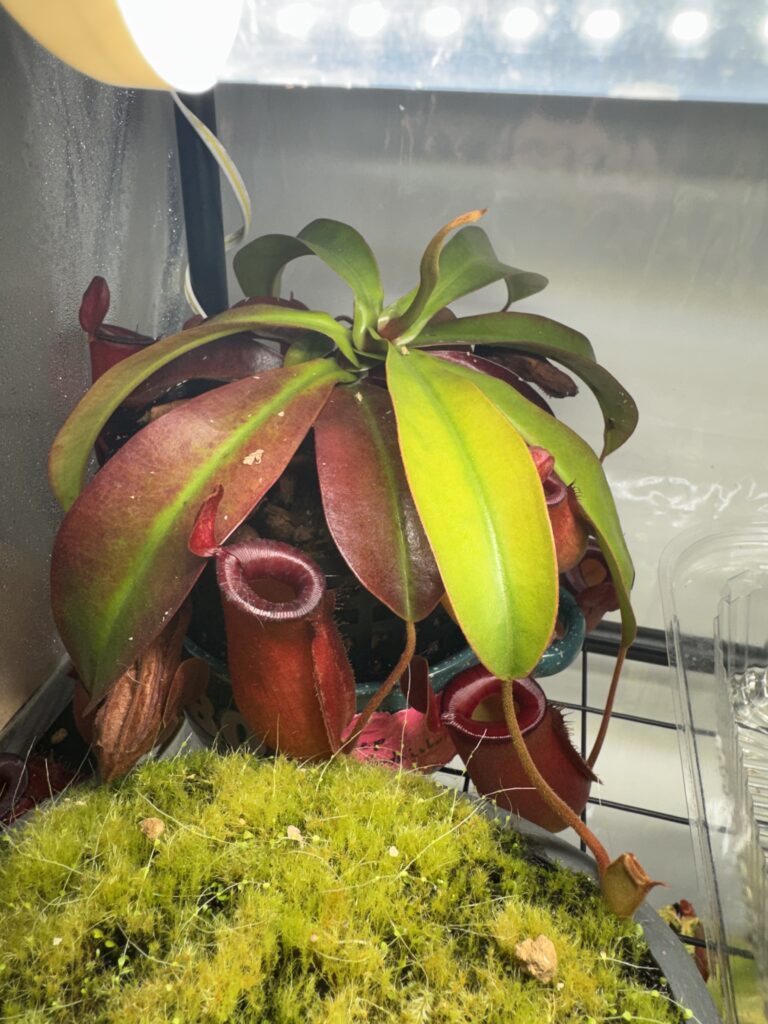
There are many reasons a carnivorous plant may die, from incorrect watering and lighting to mineral damage, dormancy issues, pests, and soil problems. This comprehensive troubleshooting guide explains each cause with clear care tips.
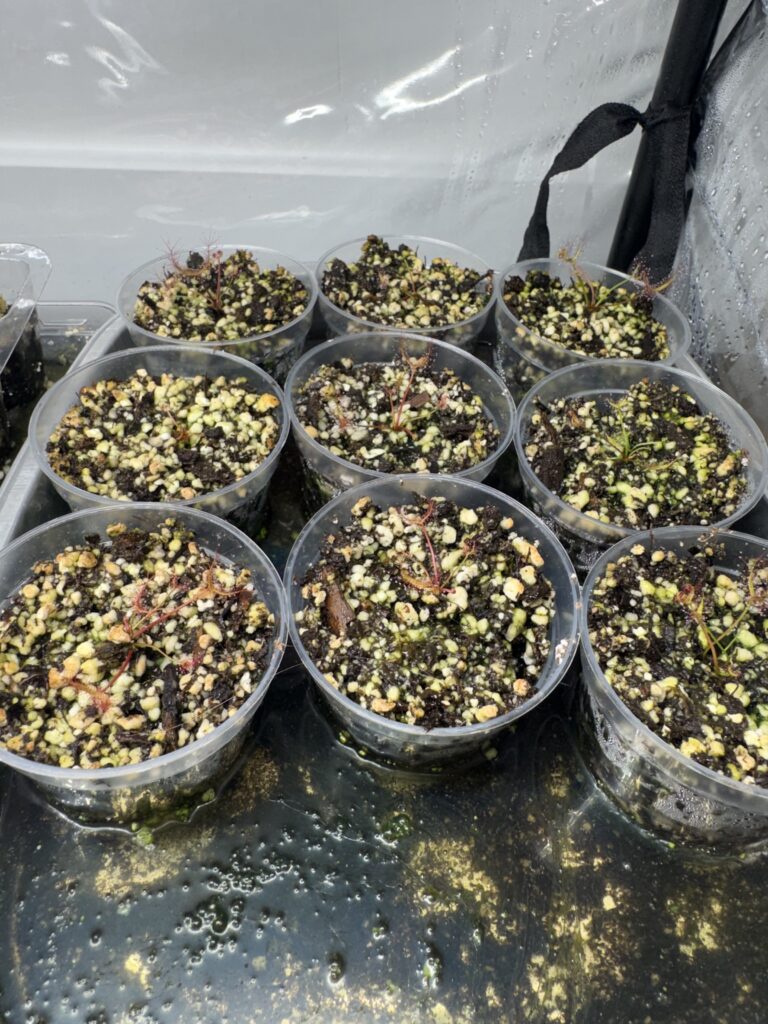
Watering carnivorous plants depends on the species. This guide explains proper watering methods, including the tray method for bog plants, tropical Nepenthes care, and tips for sensitive species like Cephalotus.
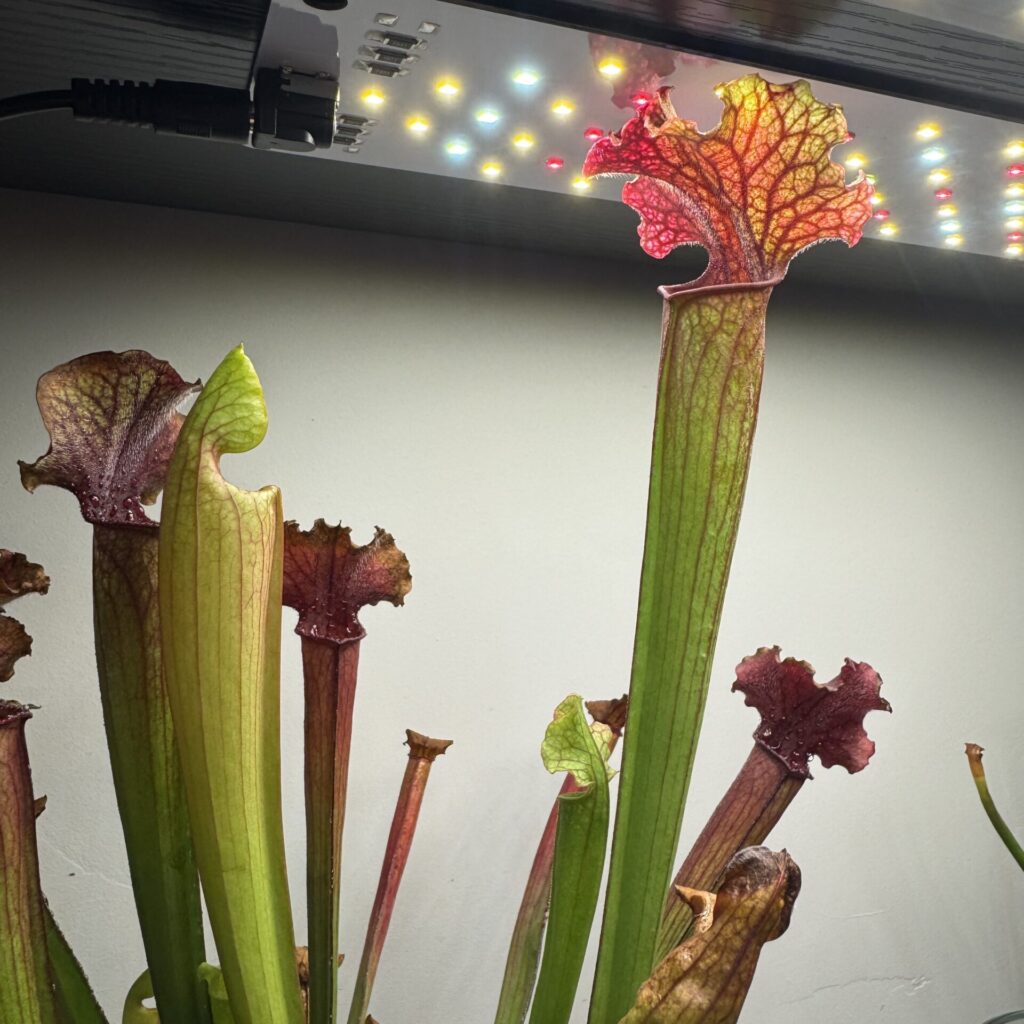
Carnivorous plants need bright light to thrive, but the amount depends on the species. This guide explains how much sunlight or shade your plants need to stay healthy and grow strong.
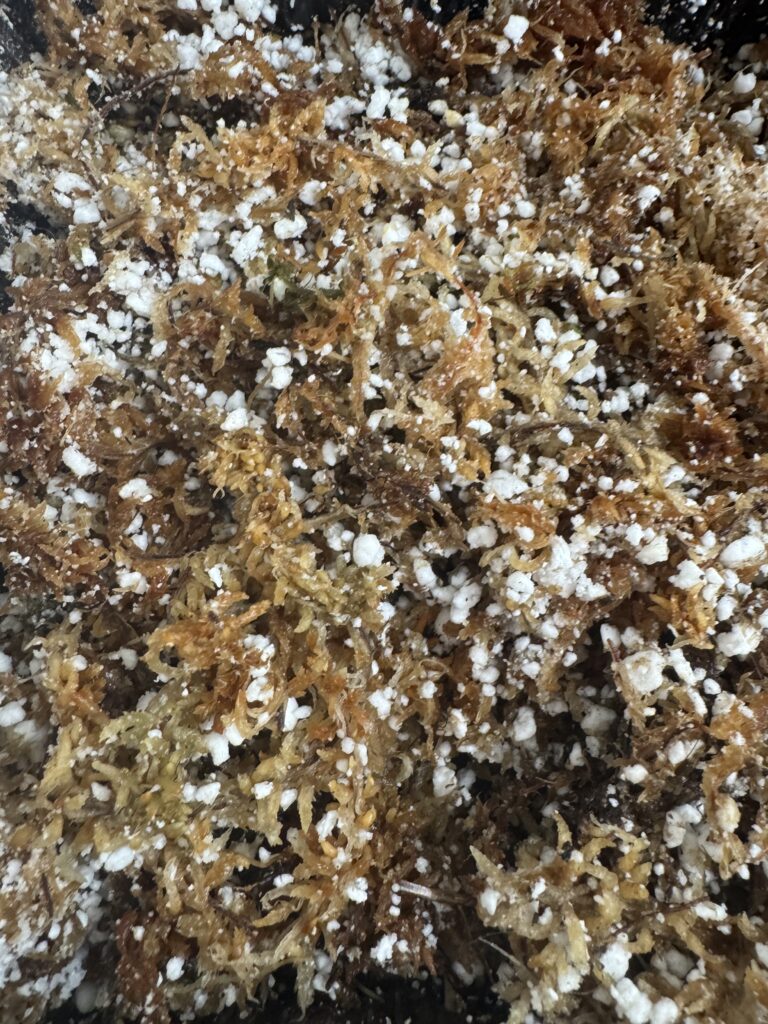
Looking for the best soil mix for carnivorous plants? Here’s exactly what I use for Venus flytraps, Nepenthes, Drosera, Utricularia, Cephalotus, and Pinguicula.
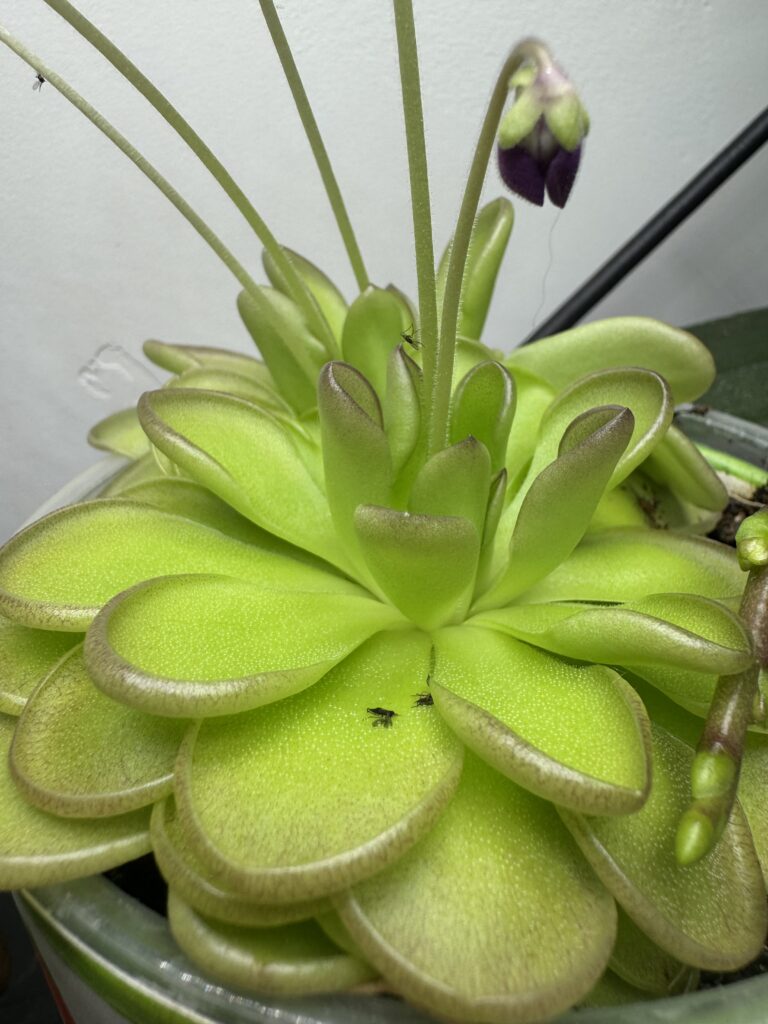
Learn how to care for Pinguicula, also known as butterwort. This guide covers lighting, distilled water, soil preferences, flowering, and how proper care transforms your plant.
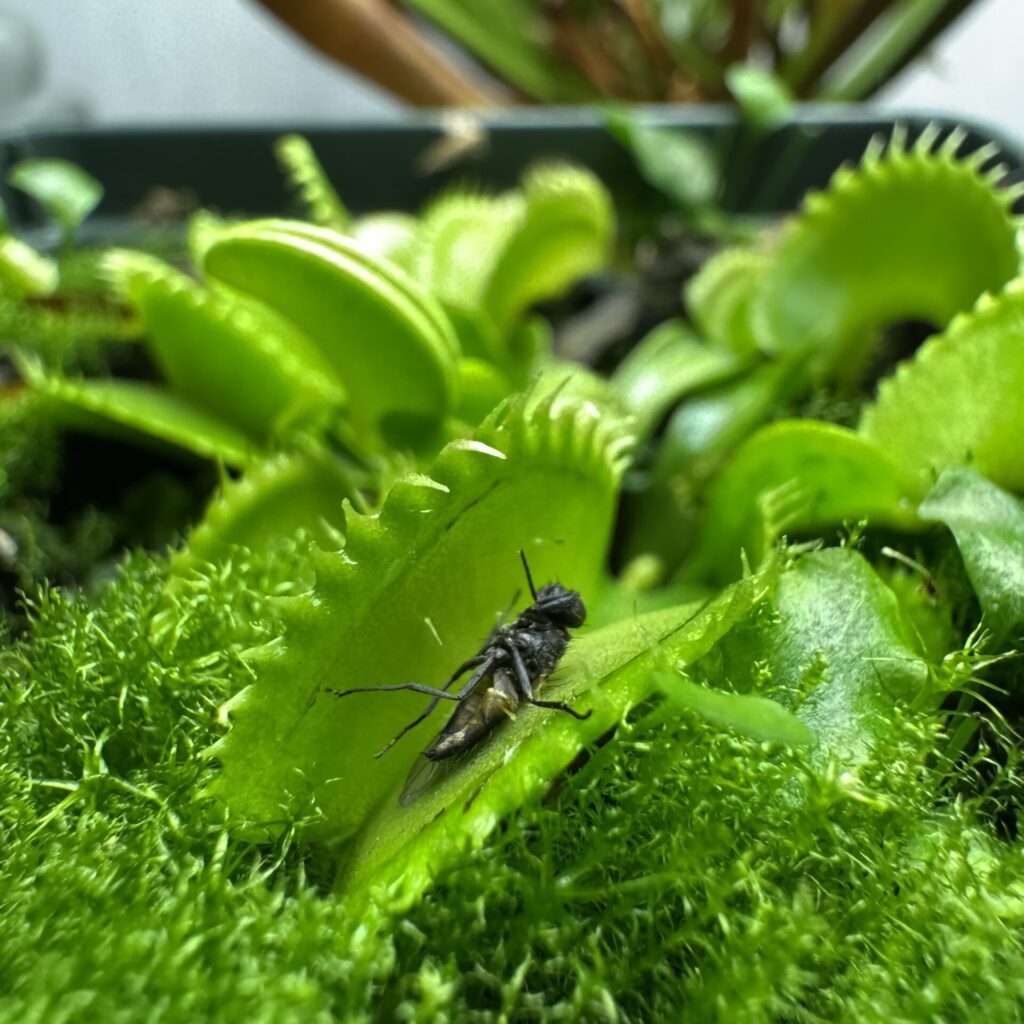
Venus fly trap care is simple when you follow their natural needs. Learn how to care for Venus fly traps with proper distilled water, my preferred sphagnum and perlite mix, full sun, dormancy requirements, and plant division tips.
Some carnivorous plants can thrive indoors year-round, while others require a winter dormancy. This guide explains which plants need dormancy, how to care for them, and tips for keeping them healthy indoors.
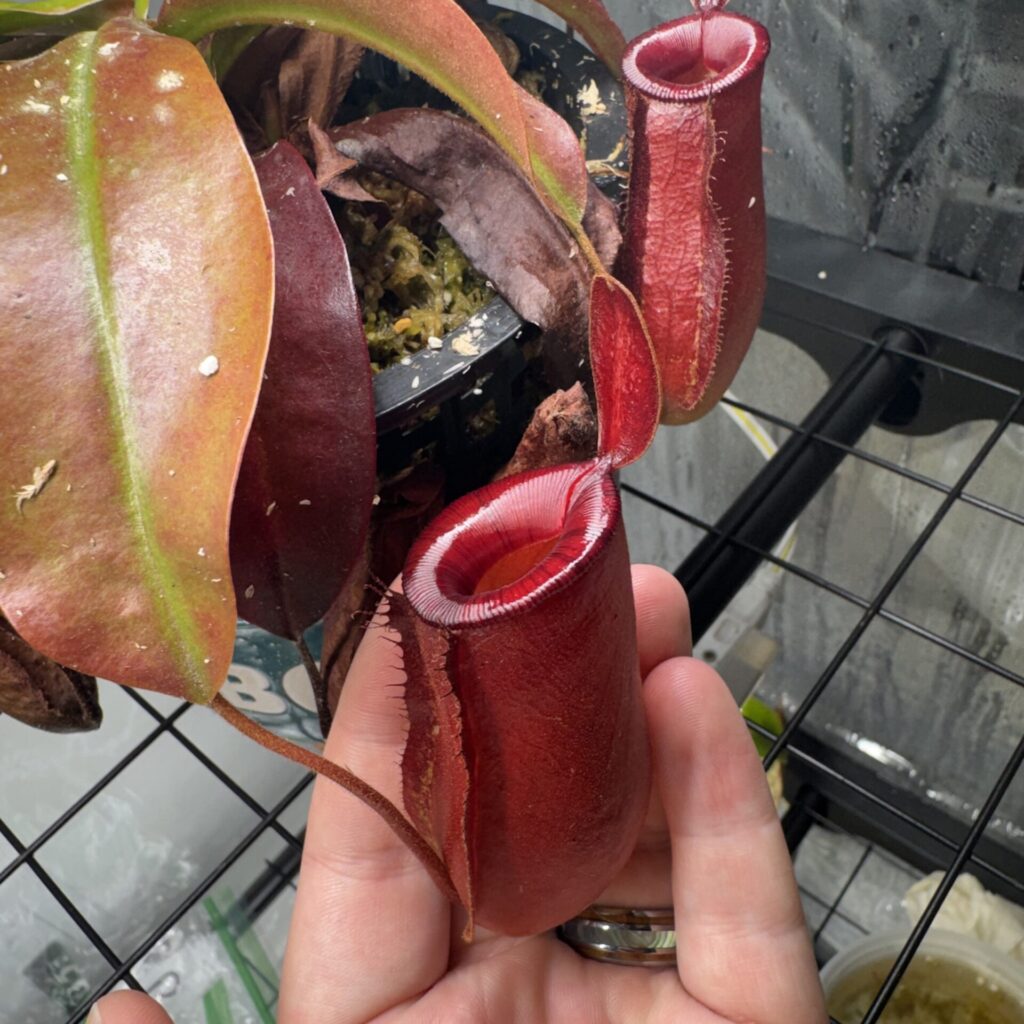
Caring for a carnivorous plant as a beginner is easier than most people expect. This guide explains exactly what to do—and what to avoid—so your plant stays healthy and grows well.
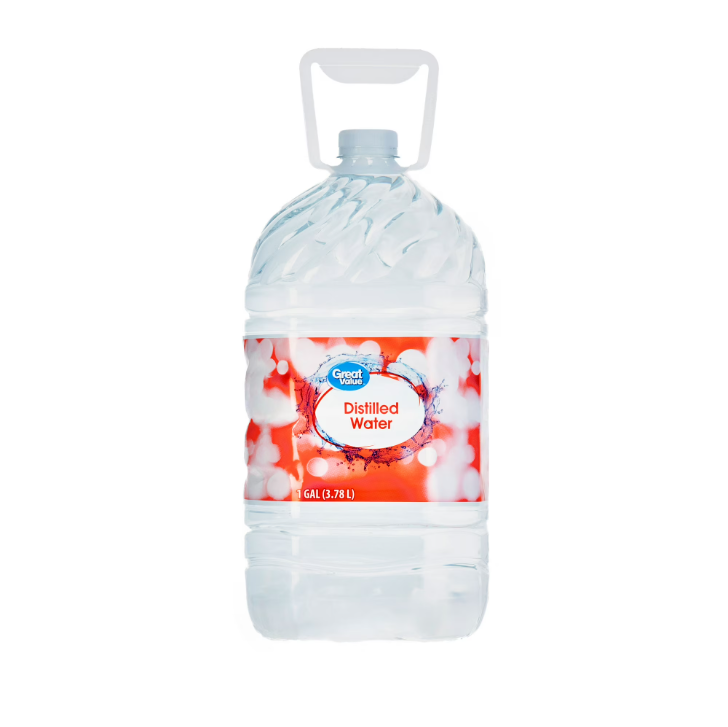
Carnivorous plants are sensitive to minerals in water and soil. This guide explains why only distilled water, reverse osmosis water, or rainwater is safe, and how their insect-eating habits provide necessary nutrients.