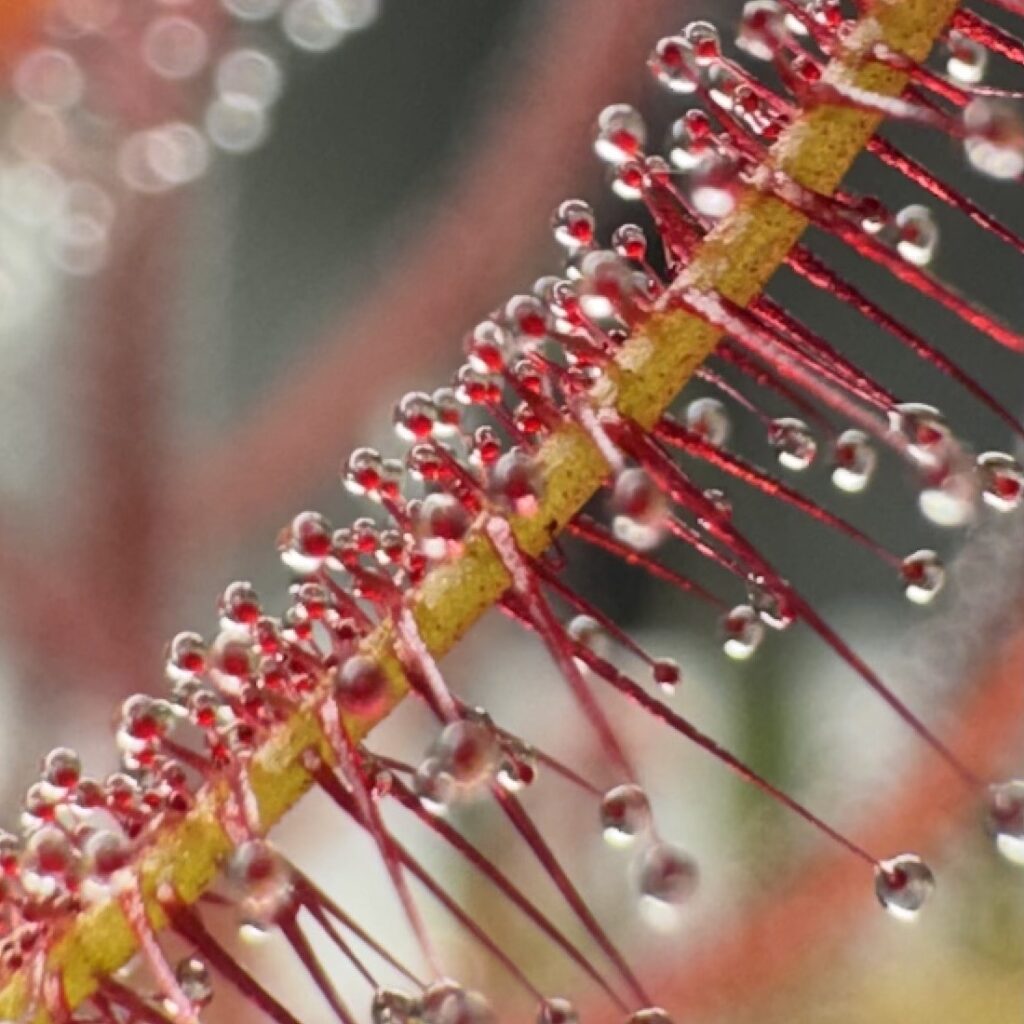
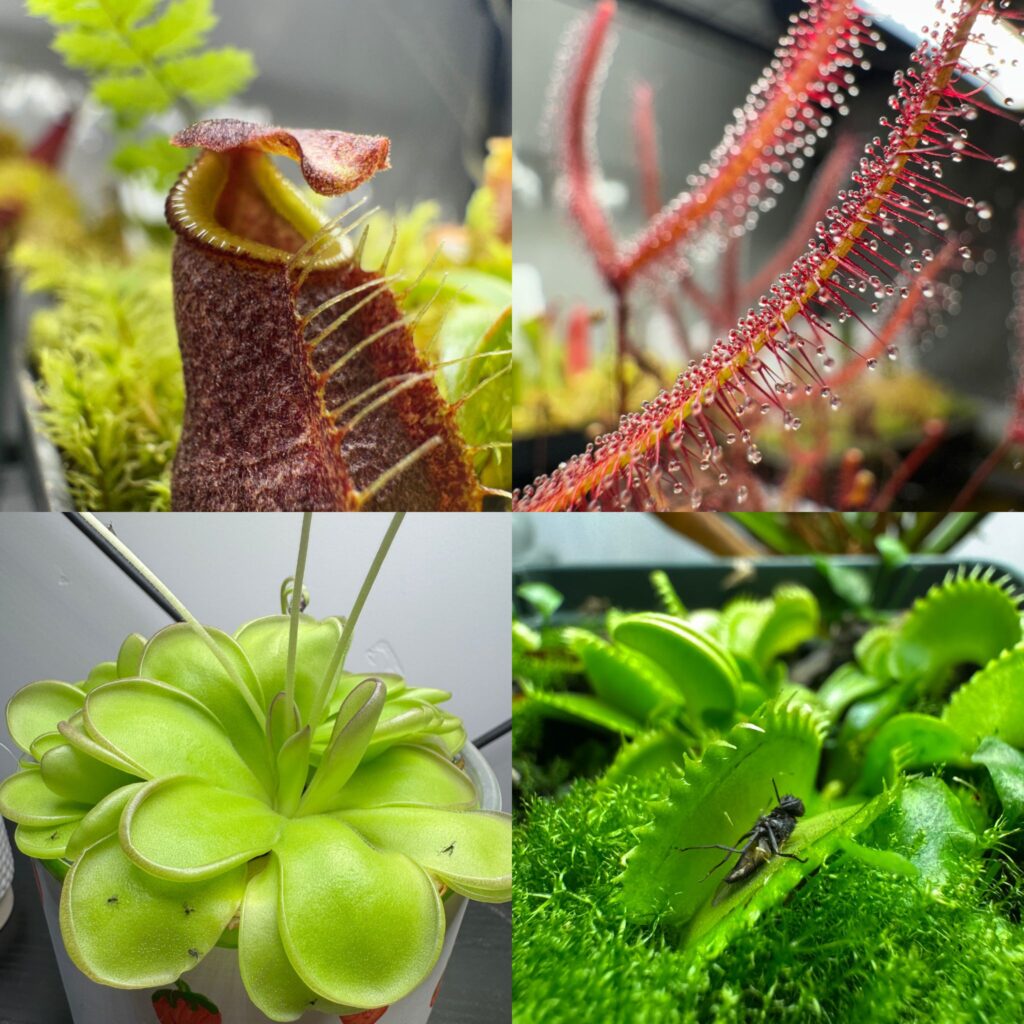
Yes, some carnivorous plants can live indoors year-round, but it depends on the species and their dormancy requirements. Tropical species like Nepenthes and many sundews (Drosera) grow continuously without needing a rest period. Temperate species, like Venus flytraps (Dionaea) and some Sarracenia, require winter dormancy. During dormancy, traps or leaves may die back, but as long as the rhizome or roots remain healthy, the plant will resume growth in spring. Understanding these differences is key to keeping carnivorous plants healthy indoors all year.
Tropical vs Temperate Carnivorous Plants
Carnivorous plants fall into two main categories:
Tropical species:
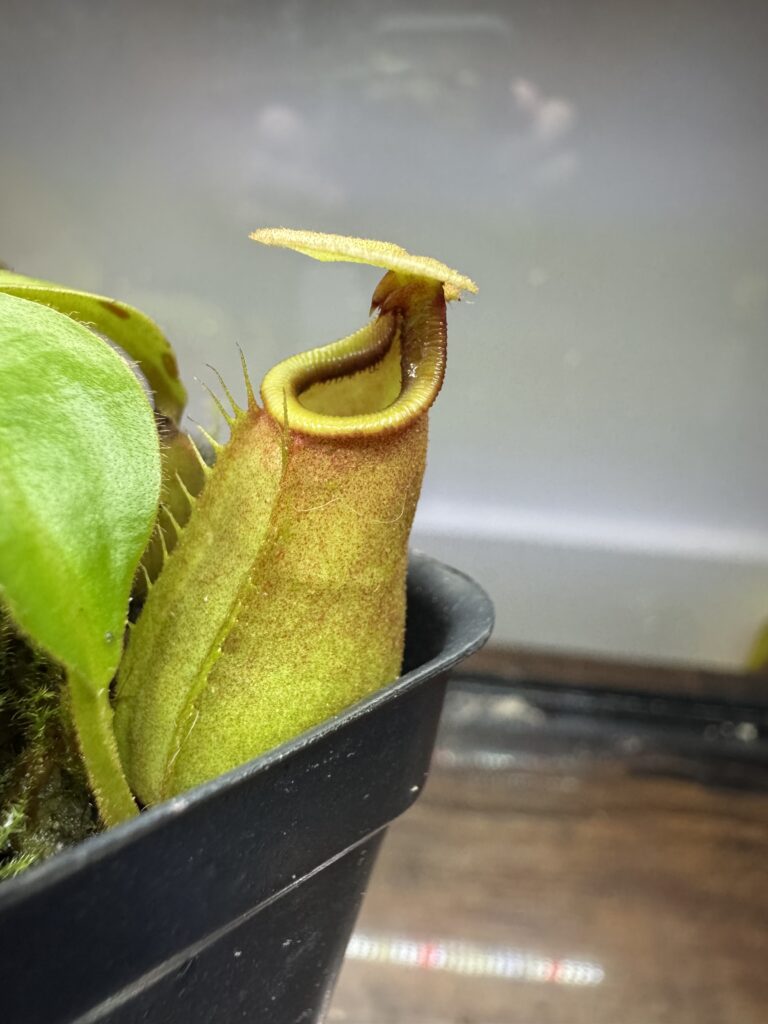
Pictured above is a Nepenthes Bicalcarata
- Nepenthes (tropical pitcher plants)
- Some Drosera species
- Pinguicula tropical varieties
These plants grow continuously year-round without a dormancy period. They need consistent warmth, humidity, and light. Indoors, they are ideal for year-round living because they do not have a resting season.
Temperate species:
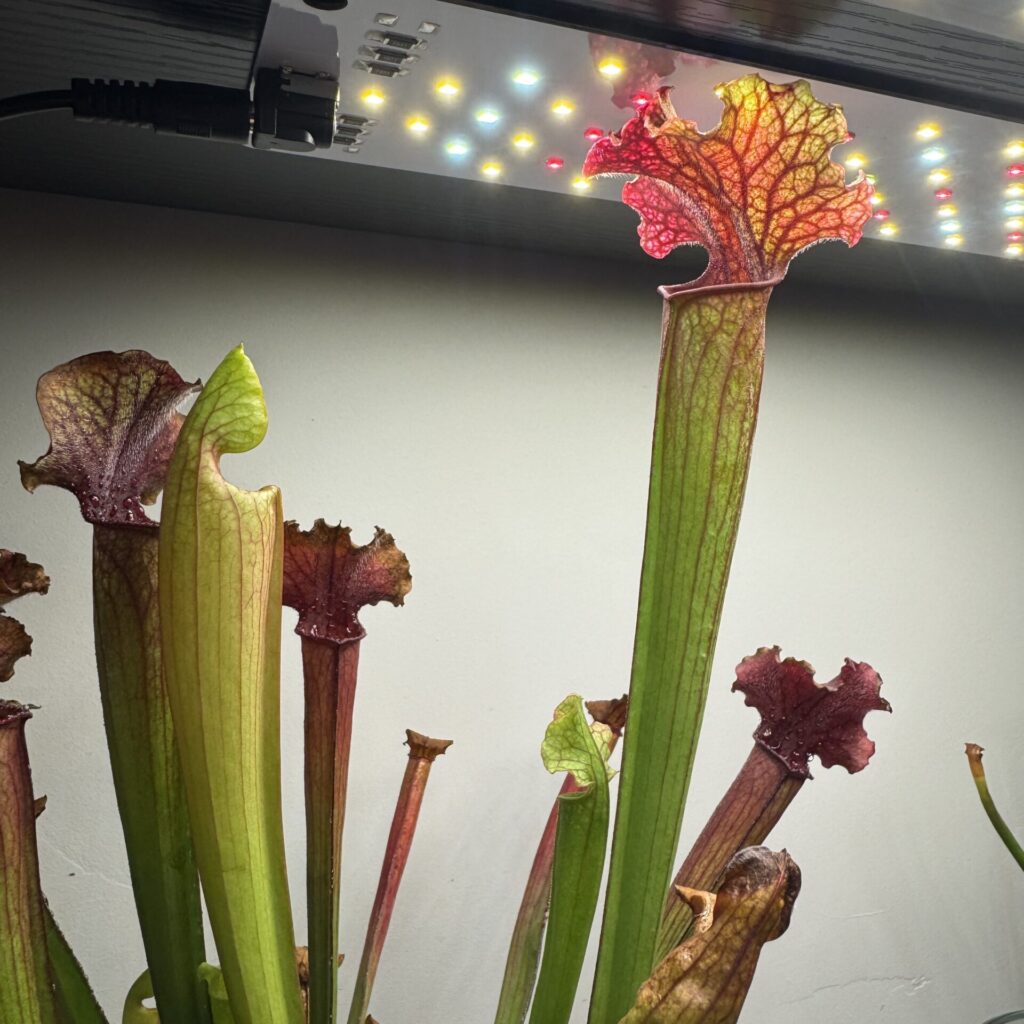
Pictured above is a Sarracenia Species
- Venus flytraps (Dionaea muscipula)
- Sarracenia (North American pitcher plants)
- Temperate Drosera species
These plants require dormancy during the winter months. During this time, growth slows, and traps or leaves may die off. Dormancy is essential for their long-term survival and encourages strong regrowth in spring.
Indoor Care Basics for Year-Round Growth
For any carnivorous plant indoors, certain basics are essential:
- Light: Bright, direct sunlight for temperate species; strong indirect or grow lights for tropical species
- Water: Use distilled water, reverse osmosis water, or rainwater to keep soil consistently moist (Read more about water requirements here!)
- Soil: Nutrient-poor mixes like peat moss with perlite or long-fiber sphagnum moss
- Pot Placement: Avoid vents and areas with drastic temperature swings
Dormancy Requirements for Temperate Species
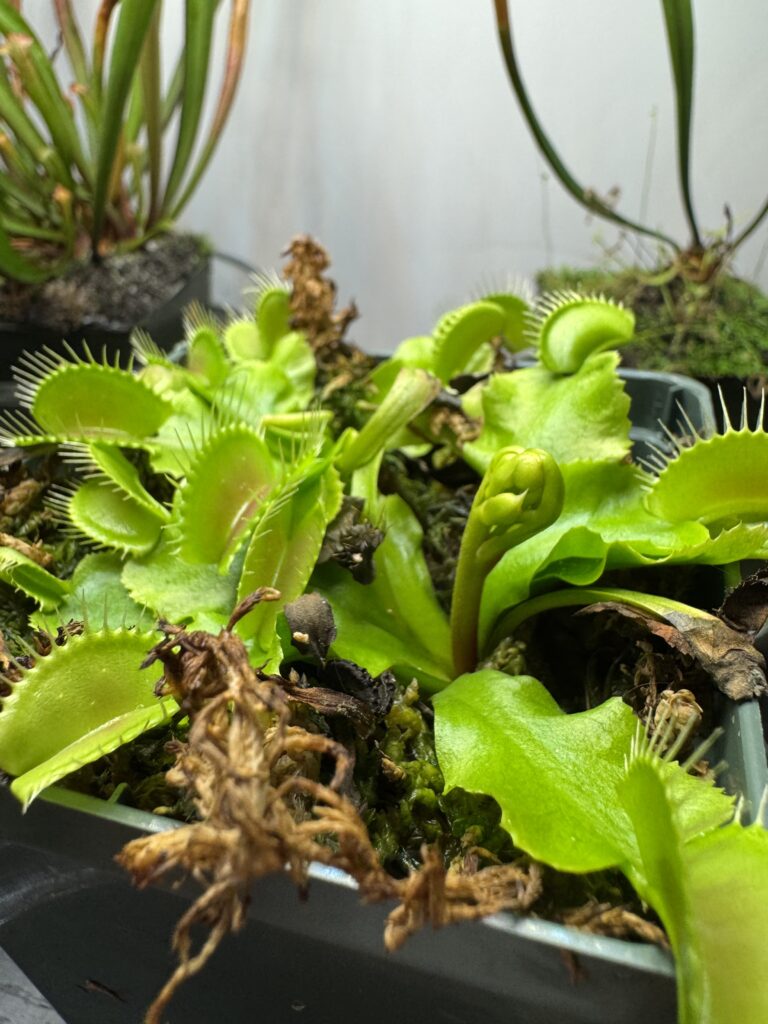
Pictured above is a Typical Venus flytrap (Dionea Muscipula)
Venus Flytraps (Dionaea muscipula):
- Enter dormancy in late fall to winter
- Leaves and traps will die back naturally
- Keep the rhizome alive in cool conditions (35–50°F)
- Water lightly with distilled water to prevent drying
Sarracenia (North American Pitcher Plants):
- Require 3–4 months of cooler dormancy
- Above-ground growth may die back completely
- Can be kept in a cool indoor environment or refrigerator if needed
- Resume growth in spring when temperatures rise
Temperate Drosera:
- Shrink back during dormancy but the rootstock remains alive
- Require less water during dormancy but should not completely dry out
- Resume growth in spring when light and temperatures increase
Tips:
- Dormancy is a natural survival mechanism, not a sign of plant death
- Maintaining healthy rhizomes or roots ensures the plant will regrow
Light and Humidity Indoors
- Tropical species need bright, indirect light or 12–16 hours of full-spectrum LED light
- Temperate species require bright light during active growth; lower light is okay during dormancy
- Humidity should generally be 50–70% for tropical species; temperate species tolerate lower indoor humidity
Watering and Soil for Indoor Plants
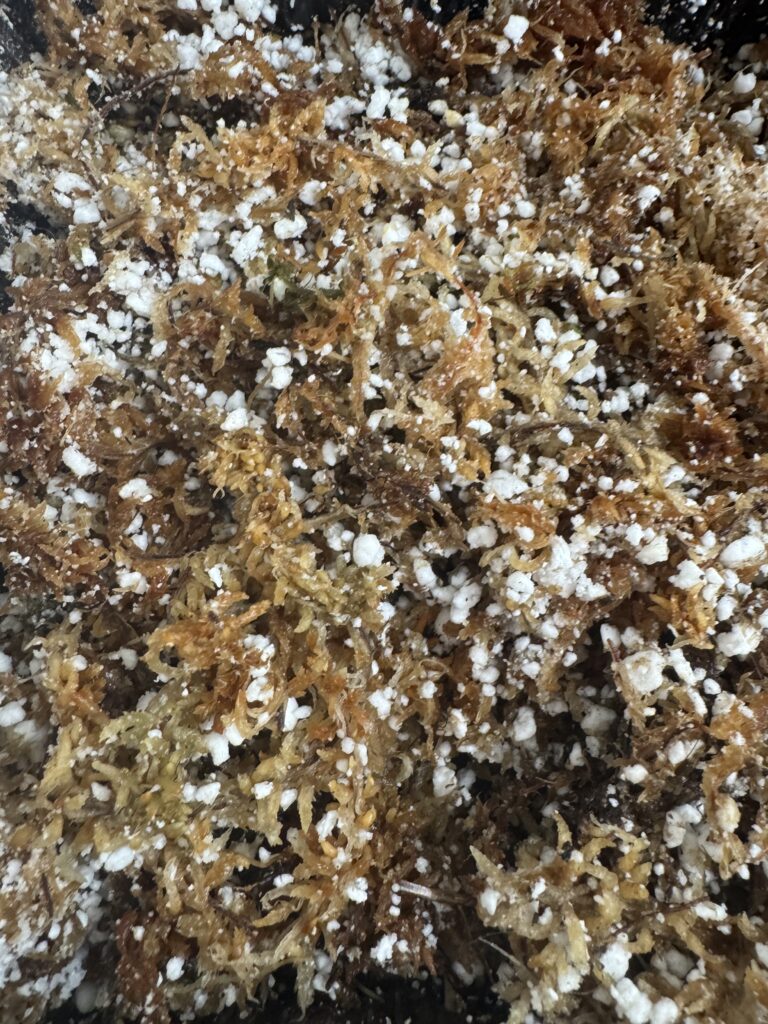
Pictured above is a 1:1 sphagnum and perlite mix which is my go to mixture to hold moisture in for longer!
- Always use distilled water, reverse osmosis water, or rainwater
- Keep soil wet for tropical species year-round
- Temperate species need moist soil during growth but less during dormancy
- Soil should always be nutrient-poor (peat moss + perlite or long-fiber sphagnum moss)
Common Dormancy Mistakes
- Forgetting that temperate species need a winter rest
- Overwatering during dormancy, leading to rot
- Placing plants in too-warm locations during winter
- Not providing enough light for tropical species indoors
Following proper dormancy and indoor care ensures all carnivorous plants can thrive year-round without stress.
No. Tropical species like Nepenthes and some sundews can grow continuously indoors, but temperate species like Venus flytraps require winter dormancy.
Leaves and traps die back, but the rhizome remains alive. Growth resumes in spring.
Yes, temperate species need less water during dormancy, but the soil should not completely dry out.
Yes, tropical carnivorous plants can continue growing year-round with proper light, water, and humidity.
Use nutrient-poor soil like peat moss with perlite or long-fiber sphagnum moss.